When shopping for power tools, one of the biggest decisions you’ll face is whether to choose corded or cordless power tools. Both options can help you complete projects faster, improve accuracy, and reduce manual effort, but they serve different needs. The right choice depends on how you work, where you work, and what kind of performance you expect from your tools.
In this guide, we’ll break down the differences between corded and cordless power tools, compare their pros and cons, and help you decide which type is best for homeowners, DIYers, contractors, and professionals.
What Are Corded Power Tools?
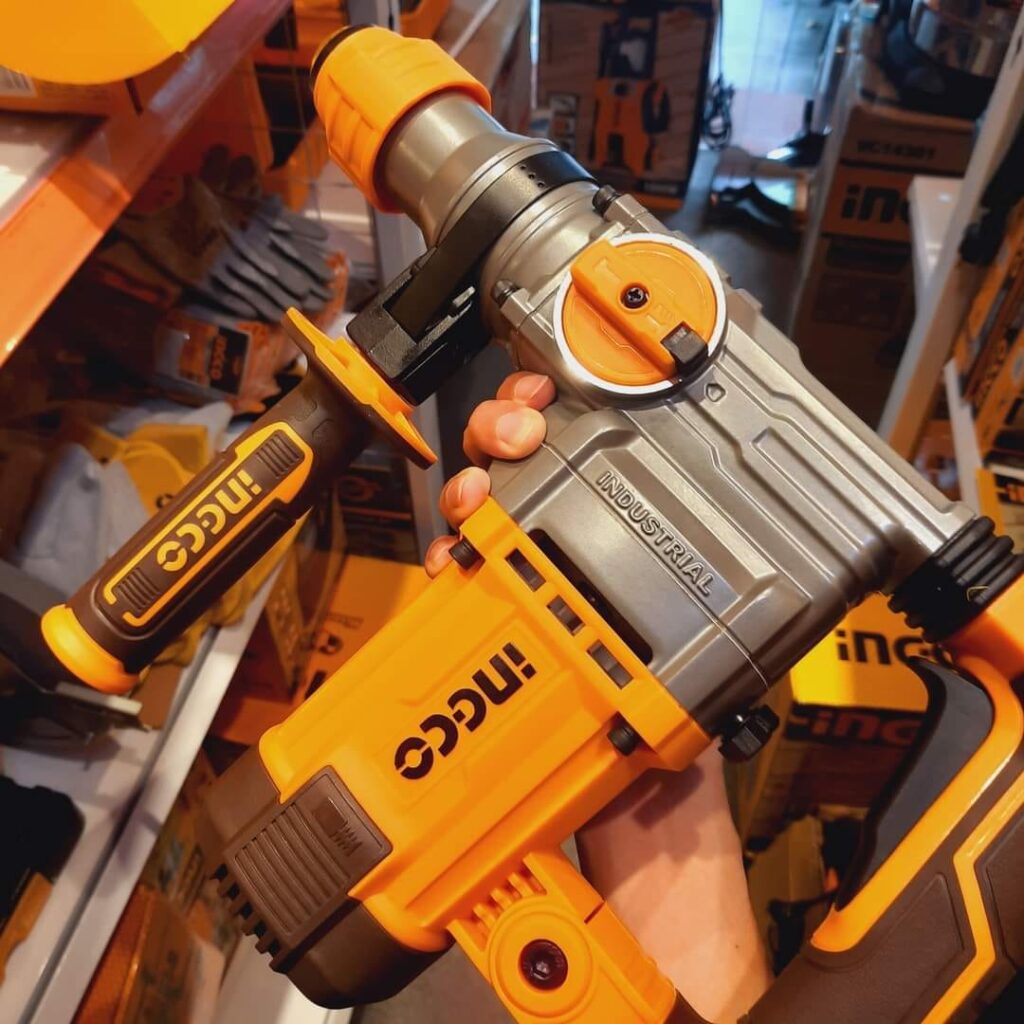
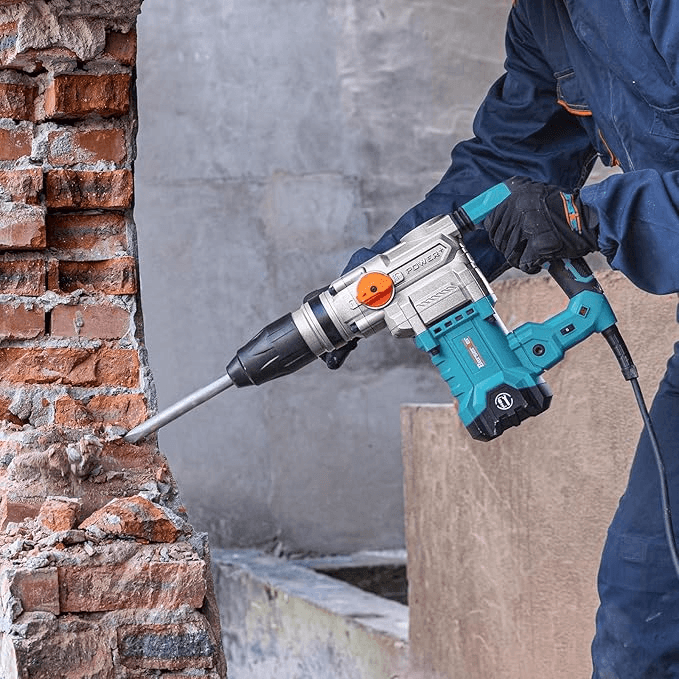
Corded power tools run by plugging directly into an electrical outlet. Because they draw continuous power from the source, they can often deliver steady, high-output performance for extended periods.
Common examples include:
- Corded drills
- Circular saws
- Angle grinders
- Routers
- Hammer drills
- Sanders
Corded tools have been a trusted choice for decades, especially for heavy-duty applications where runtime and consistent power matter most.
What Are Cordless Power Tools?
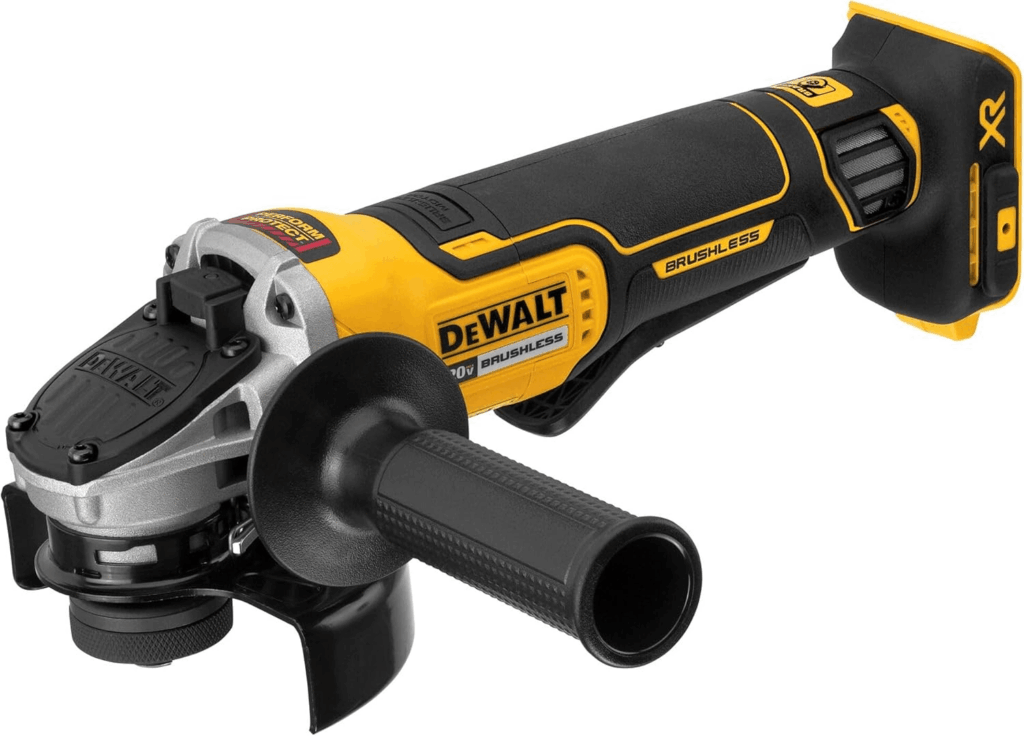
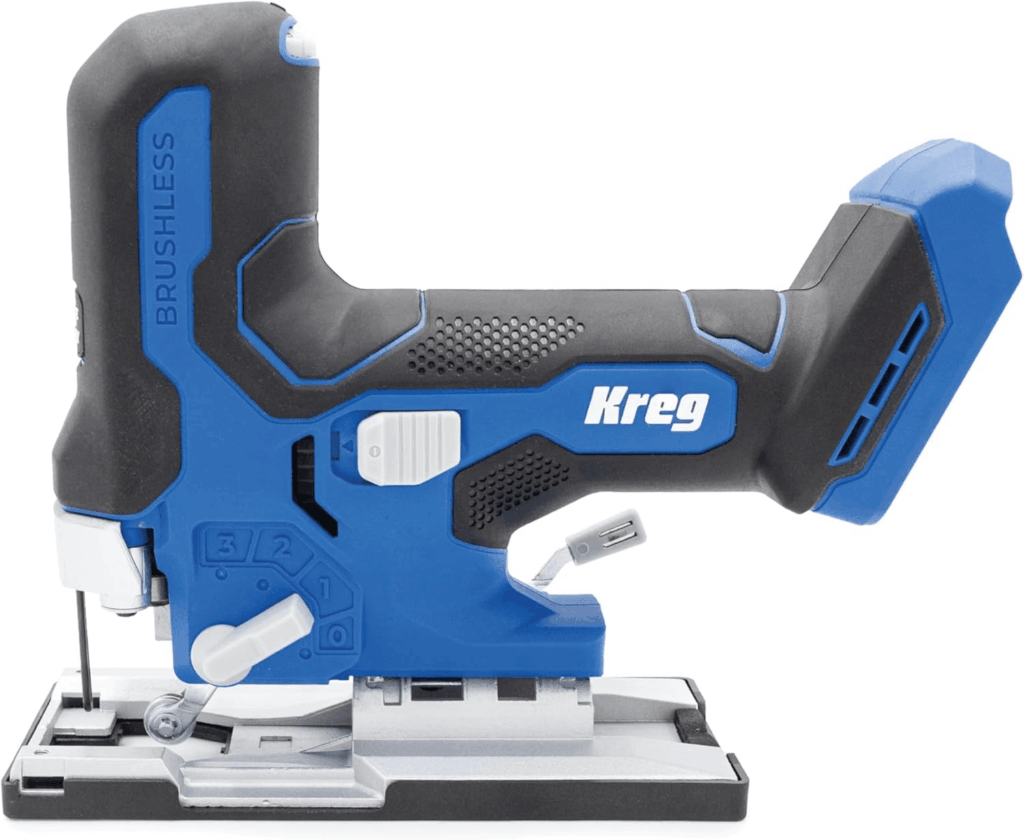
Cordless power tools are battery-powered, allowing you to work without being tethered to an outlet. Advances in lithium-ion battery technology have made cordless tools more powerful, longer-lasting, and more practical than ever before.
Popular cordless tools include:
- Cordless drills and drivers
- Impact drivers
- Reciprocating saws
- Nail guns
- Circular saws
- Oscillating multi-tools
For many users, cordless tools have become the go-to option because of their portability, convenience, and ease of use.
Corded vs Cordless Power Tools: Key Differences
To make the best decision, it helps to compare corded and cordless tools across the features that matter most.
1. Power and Performance
If raw power is your top priority, corded tools often have the edge. Since they receive uninterrupted electricity, they can maintain full performance without worrying about battery drain. This makes them ideal for demanding tasks like cutting dense materials, grinding metal, or running continuously on a job.
Cordless tools, however, have improved significantly in recent years. High-voltage battery platforms now offer impressive torque and speed, making many cordless tools suitable for professional-grade work. Still, under long, intense workloads, some cordless tools may lose efficiency as batteries deplete.
Best for maximum power: Corded tools
2. Portability and Convenience
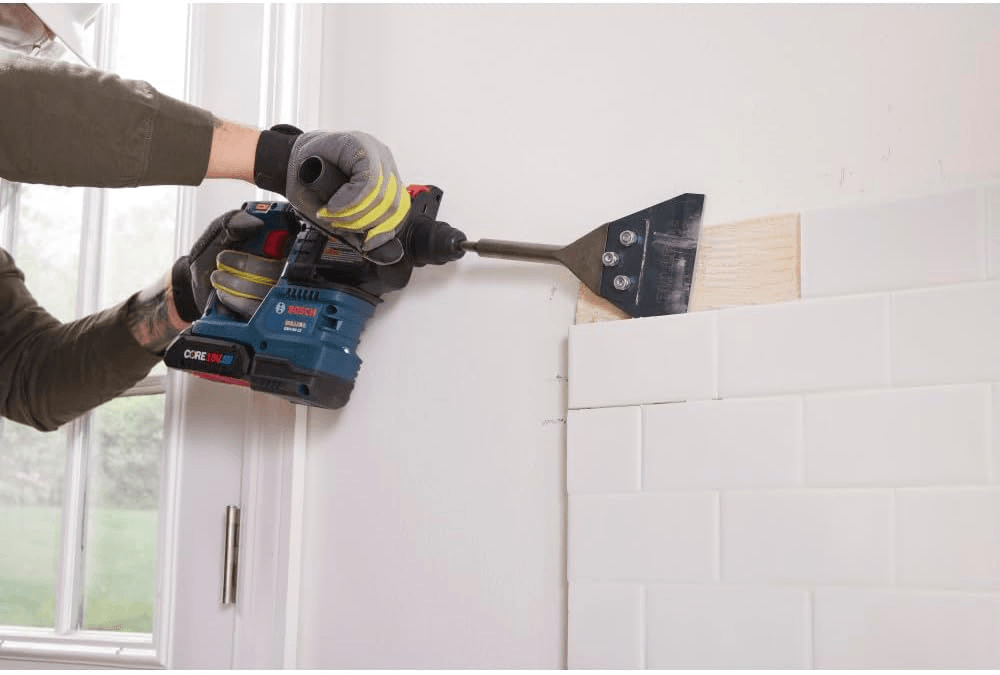
This is where cordless tools clearly shine. Without a cord, you can move freely around a jobsite, climb ladders more easily, and work in tight spaces without dragging extension cords behind you.
Corded tools are less convenient when outlets are limited or when the cord gets in the way. Extension cords can help, but they also create clutter and can slow you down.
Best for portability: Cordless tools
3. Runtime
Corded tools offer unlimited runtime as long as power is available. That makes them a reliable choice for long projects and uninterrupted work sessions.
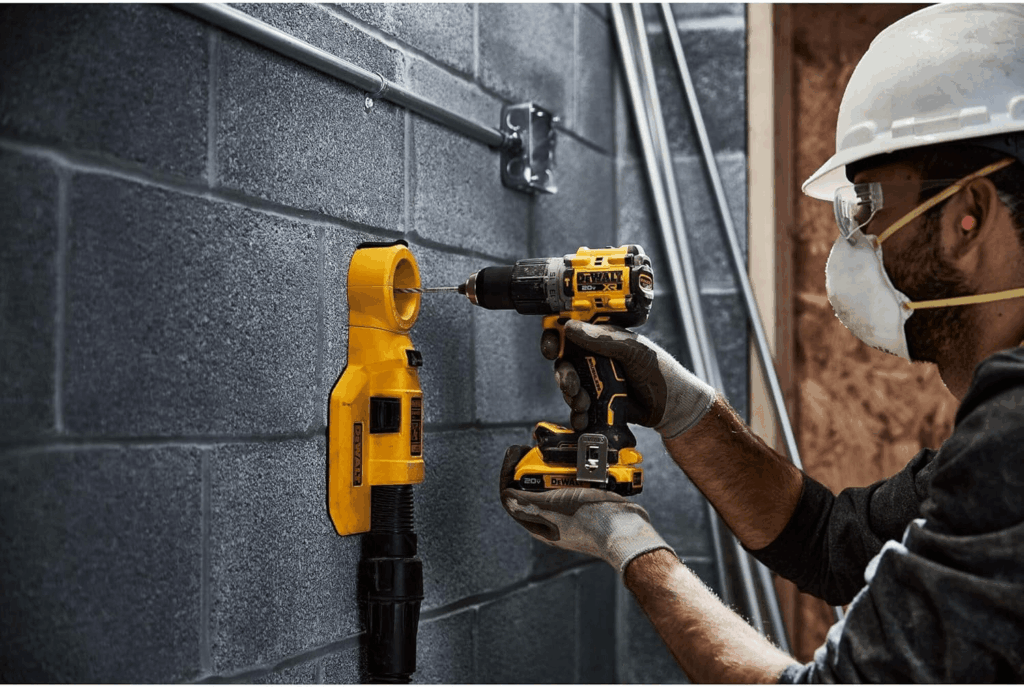
Cordless tools depend entirely on battery life. If you’re working on a large project, you may need spare batteries and a charging strategy to avoid downtime. For many professionals, owning multiple batteries solves this issue, but it does add cost.
Best for continuous runtime: Corded tools
4. Ease of Use
Cordless tools are often easier to grab and use immediately, especially for quick jobs. There’s no need to find an outlet, unravel a cord, or manage cable placement. This convenience is one reason cordless drills and drivers are so popular with homeowners.
Corded tools can feel more cumbersome, especially in smaller work areas. However, they are typically lighter than comparable cordless versions because they don’t carry a battery pack.
Best for quick, flexible use: Cordless tools
5. Weight and Ergonomics
Weight can vary by tool type, but cordless tools often feel heavier because of the battery. During overhead or extended use, that extra weight may cause fatigue.
Corded tools can sometimes be lighter in hand, but the presence of a cord may reduce maneuverability. In other words, one gives you more mobility, while the other may reduce arm strain.
Best for lighter in-hand weight: Often corded tools
6. Cost
At first glance, corded power tools are usually more affordable. You buy the tool and plug it in. Cordless systems often require batteries, chargers, and sometimes platform-specific accessories, which raises the upfront investment.
That said, if you already own batteries within the same brand ecosystem, adding more cordless tools can become more cost-effective over time.
Best for lower upfront cost: Corded tools
Pros and Cons of Corded Power Tools
Pros
- Consistent power output
- Unlimited runtime
- Great for heavy-duty work
- Often lower purchase price
- No need to recharge batteries
Cons
- Limited mobility
- Requires access to an outlet
- Extension cords may be necessary
- Cords can create tripping hazards
Pros and Cons of Cordless Power Tools
Pros
- Excellent portability
- Easier to use in remote or tight spaces
- Faster setup for small tasks
- No cords to manage
- Ideal for mobile work and service calls
Cons
- Battery life limits runtime
- Higher upfront cost
- Batteries add weight
- Performance may vary depending on charge level and battery capacity
Which Power Tools Are Best for DIYers?
If you’re a homeowner or casual DIY user, cordless tools are often the better choice. They’re convenient, easy to store, and perfect for common household repairs, furniture assembly, light remodeling, and outdoor projects.
A cordless drill/driver is usually the best place to start because it covers a wide range of tasks without requiring constant access to a power outlet.
Which Power Tools Are Best for Contractors and Pros?
For professionals, the answer is often: both. Many contractors rely on cordless tools for mobility and speed, especially when moving between rooms, homes, or job sites. At the same time, corded tools remain essential for high-demand applications where constant power is non-negotiable.
For example:
- Use cordless drills and impact drivers for installation and assembly
- Use corded grinders, rotary hammers, or table saws for long-duration heavy-duty work
A mixed setup often provides the best balance of flexibility and performance.
How to Choose Between Corded and Cordless Power Tools
Before buying, ask yourself these questions:
- Where will I use the tool most often?
If you work in areas without easy outlet access, cordless is likely the better option. - How demanding are my projects?
If you need nonstop power for tough materials, corded may be the smarter choice. - How important is portability?
If you move frequently while working, cordless tools save time and frustration. - What is my budget?
If cost is the main concern, corded tools often deliver strong value. - Am I building a tool system?
If you plan to buy multiple tools from one brand, cordless battery platforms can become more economical over time.
Final Verdict: Corded or Cordless?
There is no one-size-fits-all answer in the corded vs cordless power tools debate. Corded tools are best for users who need dependable, continuous power and want a lower-cost option for demanding work. Cordless tools are ideal for users who value portability, convenience, and flexibility.
In many cases, the best solution is not choosing one over the other—it’s choosing the right tool for the job. If you regularly tackle a mix of quick tasks and heavy-duty projects, having both corded and cordless power tools in your kit can give you the best of both worlds.
If you’re deciding which tools to buy next, start with the jobs you do most often. That will lead you to the setup that delivers the most value, efficiency, and long-term performance.