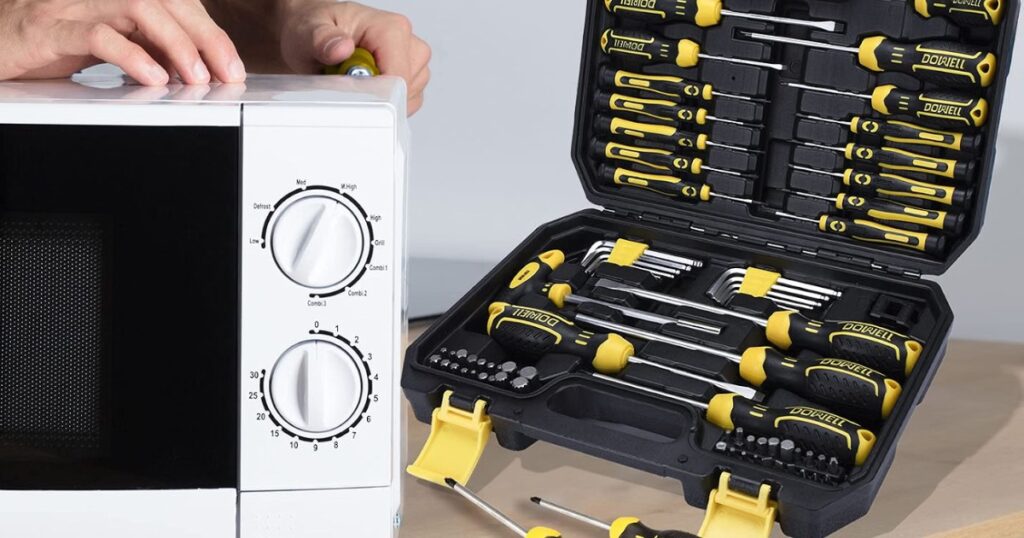


Tools Soko does not currently run a test bench. Everything on this site is research and analysis, and we would rather say so than imply otherwise.
This page used to describe a testing programme with a brake dynamometer and fixed workloads. That description did not reflect how our articles are actually produced, and it has been corrected. Where older reviews carried numeric scores, those scores have been removed for the same reason.
What our articles are built from
Published manufacturer specifications, technical documentation, safety standards, distributor and retailer listings, and the reported experience of people who own the tools. Where a figure conflicts between sources, we say that it conflicts rather than quietly picking one.
That is enough to do useful work. Most buying mistakes are made on specifications that were never explained, not on performance differences too small to notice. Explaining what a duty cycle, a CAT rating, a tip number or a cleaning-unit figure actually does for you is worth more than another opinion about which drill feels nicer.
Four kinds of claim, and how to tell them apart
Every article should make these distinguishable without you having to work at it.
- A manufacturer claim. Attributed, not adopted. If DeWalt says a tool has 40% less vibration, we write that DeWalt says it.
- A published specification. Stated plainly, with the source named where it matters.
- Tools Soko analysis. Our reasoning from those figures, and clearly ours. A 62 kg machine with transport wheels is still a two-person lift, and we will say so.
- Tools Soko testing. Only ever written when it actually happened. At present, it does not.
Why we do not score
A number out of ten implies measurement. A specification sheet supports analysis; it does not support a score, and a score derived from a press release is worth nothing to the person paying for the tool.
So our articles carry no scores. If we later run tools on a bench, the reviews from that work will say what was measured, how, and how many times, and only those will be scored.
Every article opens by saying what it is based on
Near the top of each piece there is a sentence stating whether it comes from published specifications, from owner reports, from another publication’s hands-on time, or from our own use. It sits above the fold on purpose. You should not have to reach the end of an article to find out how much weight to give it.
Where information is missing, we say so
Manufacturers leave gaps, and the gaps are often the interesting part. A sprayer sold without a published duty cycle, a grinder without a measured brake time, a vibration claim given as a percentage instead of a figure in metres per second squared. Naming what is absent is more useful than filling it with a guess.
Affiliate links
We earn a commission on some outbound links. It never changes what we recommend and it never changes your price, and we will tell you to buy the cheaper option, or a different retailer entirely, when that is the right answer.
Two working rules. Every monetised link carries rel="sponsored nofollow", and the disclosure sits near the top rather than buried at the bottom. If an article has no affiliate links, it carries no disclosure, because a disclosure on a page with nothing to disclose is its own small dishonesty.
Corrections
We correct in place and say what changed, as this page does. If you find something on this site that is wrong, tell us and we will fix it and note the fix.
Last corrected 31 August 2026: removed a description of bench testing that did not reflect how this site’s articles are produced, and removed numeric scores from reviews built on published specifications.