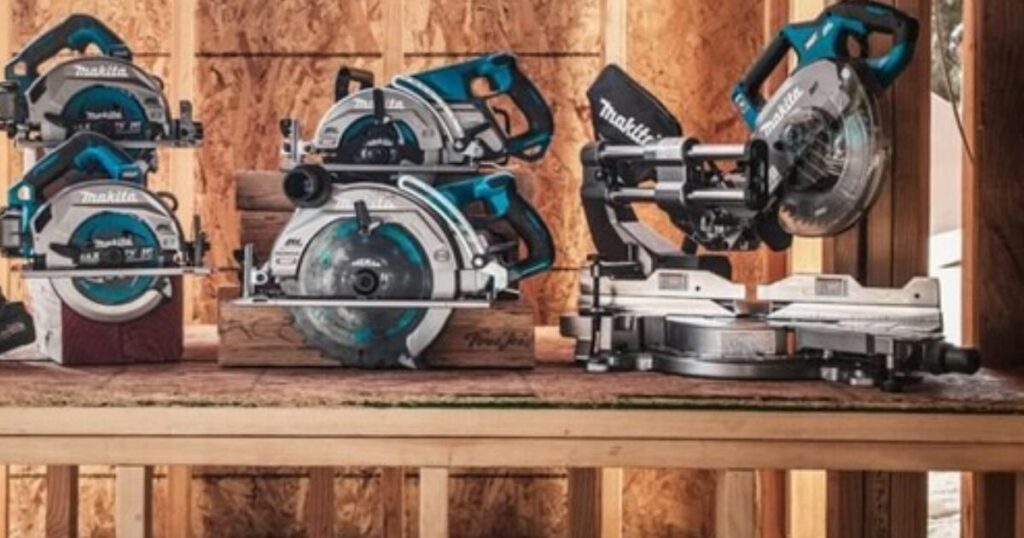

If you make your living with a drill in your hand, the cheapest listing is almost never the cheapest tool.
This is a research roundup built from published seller information, brand distributor listings and Kenyan import rules. It is not a bench test, and we have not independently bought from every retailer named here. Where a seller describes itself as an authorised dealer, that is the seller’s claim and we have said so.
That opening line sounds like a slogan until you have carried a dead grinder back to a shop that suddenly does not recognise the serial number. Then it is just arithmetic. A tool that costs 18% less and dies in month seven with no warranty path cost you more than the expensive one, plus the day you lost driving into town to argue about it.
So the honest version of the question is not which online store is cheapest. It is which online store still has your back in month seven.
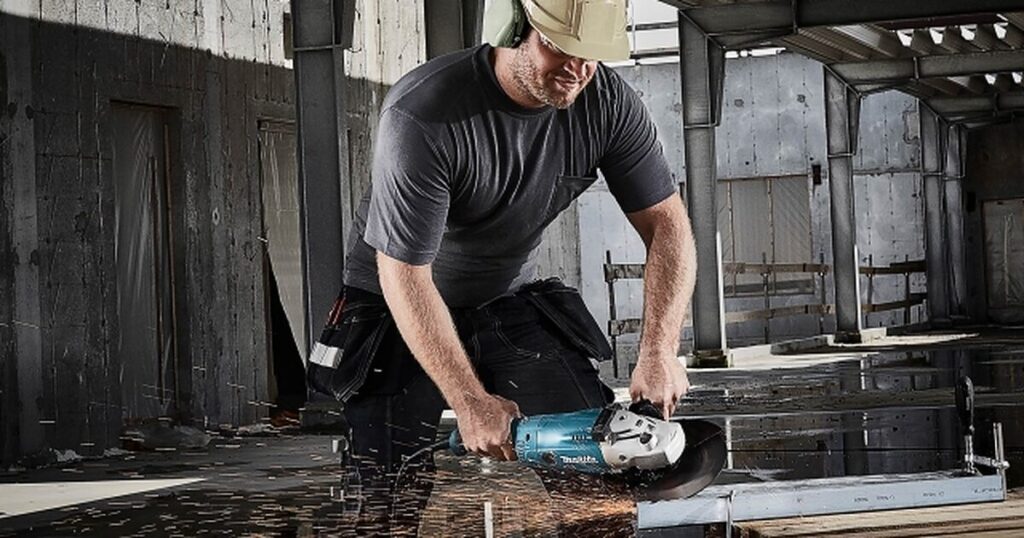
The four types of online seller in Kenya
Almost every site selling power tools in Kenya falls into one of four buckets. They are not equally good, and more usefully, they are not good at the same things.
1. Authorised brand dealers and distributors
Businesses appointed by the manufacturer. Bosch publishes a list of its authorised dealers in Kenya and runs Robert Bosch East Africa out of Westlands, Nairobi. Makita’s Kenyan presence is operated by Intercross Agencies, which describes itself as the sole authorised importer and service agent for the country. Retailers including BOLD Industrial trade openly on being an authorised Bosch dealer, and Shopit describes itself as an authorised Bosch reseller working through official distributor channels.
What you get: a warranty honoured here, not in Germany. Bosch Professional runs a one-year standard warranty on machines, extendable to three years if the tool is registered online within four weeks of purchase. DeWalt runs the same structure. The extension is free, and it is the single most commonly skipped step in Kenyan tool buying.
What you give up: the headline price. Authorised channels almost never win a price-comparison screenshot.
Best for: anyone whose tool is a revenue asset. Contractors, fundis running a crew, fabrication shops, anyone billing clients against a schedule.
2. Specialist Kenyan tool e-commerce
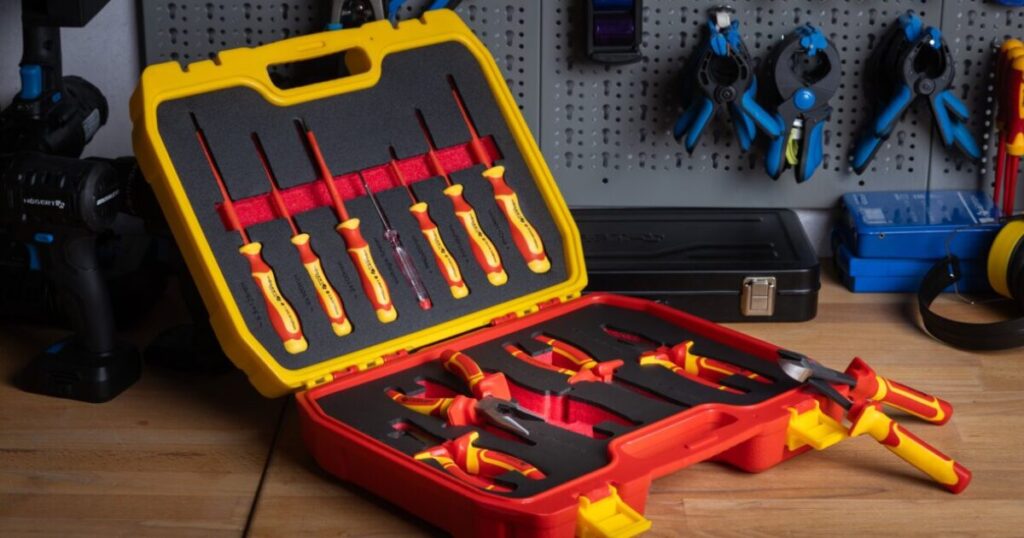
Sites built around tools rather than around everything. Zana.ke positions itself on power tools and safety gear with countrywide distribution. powertools.co.ke stocks Bosch, Makita, DeWalt and Ingco, and pitches same-day Nairobi delivery on early orders. Tool Mania leans heavily into Ingco. Shopit has been trading in this space since 2012.
What you get: staff who know the difference between a T-shank and a U-shank blade, genuine product depth, and usually a physical address you can drive to.
What to check: whether they are an authorised dealer for the specific brand you are buying, or a reseller. Both are legitimate businesses. Only one gives you a clean warranty path, and the distinction is invisible on a product page.
3. General marketplaces
Jumia, Jiji, PigiaMe and the rest. These are not shops. They are shopping centres, and the platform is not selling you the tool — a third-party seller is.
What you get: price discovery nothing else matches. Twenty listings for one model on a single page tells you the shape of the Kenyan market in about ninety seconds.
What you give up: accountability. Where the seller is a phone number and a display name, warranty is whatever that seller decides it is on the day. Marketplace buyer protection covers item not as described. It does not cover the armature burned out in month five.
Best for: research, consumables, accessories and non-critical tools. Use marketplaces to establish the market price, then decide separately where to actually buy.
4. International sellers shipping into Kenya
Ubuy runs a Kenyan storefront, and plenty of buyers order direct from overseas retailers. The sticker price looks extraordinary. Then customs happens, and the charges compound.
| Charge | Rate | Charged on |
|---|---|---|
| Import duty | 0%, 10%, 25% or 35% by HS code | CIF value |
| Import Declaration Fee | 2.5% | CIF value |
| Railway Development Levy | 2% | CIF value |
| VAT | 16% | CIF plus import duty |
IDF and RDL alone add 4.5% before duty and VAT start. Finished goods commonly sit in the 25% band.
Two of these rates moved recently, which is why old guides mislead. The Import Declaration Fee was cut from 3.5% to 2.5% by the Finance Act 2023. The Railway Development Levy went the other way, rising from 1.5% to 2% in December 2024 under the Tax Laws Amendment Act 2024. Any calculator quoting 3.5% IDF or 1.5% RDL is out of date. Rates move and yours depends on the exact HS code, so confirm with KRA or a licensed clearing agent before committing money.
The other trap is electrical. Kenya runs 240V at 50Hz. A corded tool bought from a 110V/60Hz market is not a bargain, it is scrap metal with a nice logo. Cordless sidesteps the problem in the tool and reintroduces it in the charger.
Best for: models genuinely unavailable locally, and only after the landed-cost maths is done.
Where the real discounts actually come from
Forget the red WAS / NOW badge. In a market where nobody publishes a reliable recommended price, a crossed-out figure is a design element, not a fact. Real discounts in Kenya come from five places.
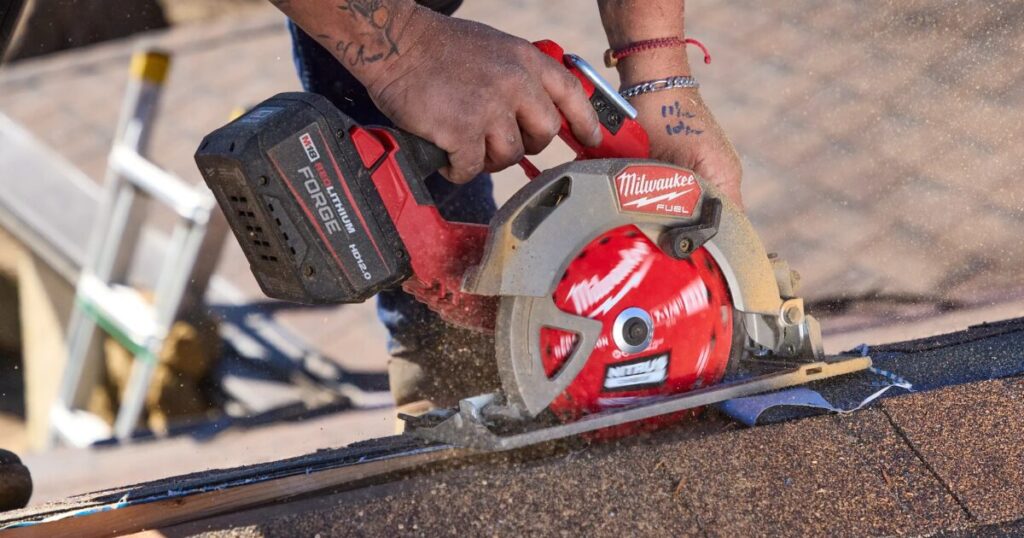
1. Bare tools instead of kits. If you already own two 18V batteries and a charger, the bare tool is a genuine double-digit saving on the identical machine. It is the most under-used discount in the country.
2. Combo kits when you are starting a platform. The inverse case. Buying into a battery system, the per-tool kit price beats assembling piece by piece almost every time. Choose the platform once and stay on it, because the lock-in is real and switching twice is expensive. We set out how to make that choice in our guide to choosing a battery platform, and what the packs cost you over their life in battery care that doubles pack life.
3. Quarter-end and financial-year-end. Dealers carry targets. A serious enquiry in the last fortnight of a quarter is a different conversation from the same enquiry in week three.
4. Buying as a business rather than a walk-in. Ask for a trade or contractor account. Ask the price on three units instead of one. Ask for an ETR/VAT invoice, because if you are VAT registered the input tax is a straight recovery that no marketplace flash sale will ever match.
5. Ex-display and open-box from a dealer you can name. Full warranty, an honest discount, and a shop that tells you exactly why the box is open.
What is not a discount: a price so far below every other listing for that model that the only explanations left are a counterfeit, a grey import with no local warranty, or a specification that quietly does not match the model number.
Five checks before you press order
These take four minutes and they have saved a lot of people a lot of money.
- Ask outright: is the warranty serviced in Kenya, and by whom? Get a name. A seller who cannot name the service agent has just told you something important.
- Match the full model number, not the family name. DHS660RFJ and DHS660Z are not the same purchase, and the difference is batteries and a case.
- Confirm 240V and 50Hz on anything corded, and confirm charger voltage on anything cordless.
- Get the return window in writing — in the WhatsApp thread, in the email, anywhere it survives the conversation.
- Register the tool with the manufacturer inside four weeks. Bosch’s PRO360 portal and DeWalt’s MyDEWALT both turn one year into three at no cost. Four weeks is a hard deadline, and missing it cannot be appealed.
The short answer
| If you are… | Buy from… |
|---|---|
| A contractor whose tools generate invoices | Authorised dealers. Warranty beats sticker price. |
| A fundi building a kit on a budget | Specialist Kenyan tool retailers, brand by brand. |
| Buying blades, discs and consumables | Marketplaces. Low stakes, high price competition. |
| Comparing prices before any purchase | Marketplaces, always. Then buy elsewhere. |
| Chasing a model nobody stocks locally | International, after the landed-cost maths. |
The best online store in Kenya is not a URL. It is a habit: discover the price on the marketplaces, buy from the channel that will still take your call in month seven, and register the tool the same week it lands.
Frequently asked questions
Is Jumia safe for buying power tools in Kenya?
Safe enough for consumables, accessories and low-stakes tools, where price competition is the main benefit. Less so for a machine you bill work against, because the seller is a third party and buyer protection covers items not as described rather than a motor that fails in month five. Use it to establish the market price, then decide separately where to buy.
How do I know if a Kenyan seller is an authorised dealer?
Ask who services the warranty and get a name, then check that name against the brand’s own dealer listing. Bosch publishes authorised dealers for Kenya. Makita works through Intercross Agencies, which describes itself as the sole authorised importer and service agent. A seller who cannot name a service agent is a reseller, which is legal but leaves you without a clean warranty path.
What does it actually cost to import a power tool into Kenya?
On top of the price and freight, expect import duty by HS code at 0, 10, 25 or 35 per cent, a 2.5 per cent Import Declaration Fee, a 2 per cent Railway Development Levy, and 16 per cent VAT charged on the CIF value plus duty. Everything is calculated on CIF, so freight is taxed as well. Confirm your HS code with KRA or a clearing agent, because the duty band is what decides whether importing makes sense at all.
Can I use a 110V tool in Kenya with an adapter?
No. Kenya runs 240V at 50Hz, and a plug adapter changes the socket shape, not the supply. A 110V corded tool connected to Kenyan mains is destroyed, usually immediately. A step-down transformer of the right rating can work but adds cost and bulk that generally erases the saving. Check charger input voltage on cordless tools too.
How do I extend a Bosch or DeWalt warranty in Kenya?
Register the tool with the manufacturer within four weeks of purchase — Bosch through the PRO360 portal, DeWalt through MyDEWALT. That converts the standard one year into three at no cost. Keep the receipt, because registration needs the purchase date, and the four-week window is not negotiable.
New to buying here? Start with our guide to buying power tools in Nairobi without getting burned. For category-specific Kenyan buying advice, see our roundups on 9-inch cordless cut-off saws and air compressors and pneumatic tools.